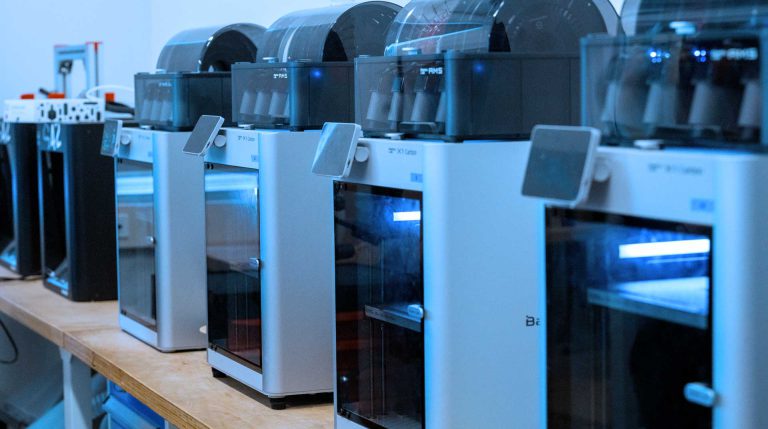
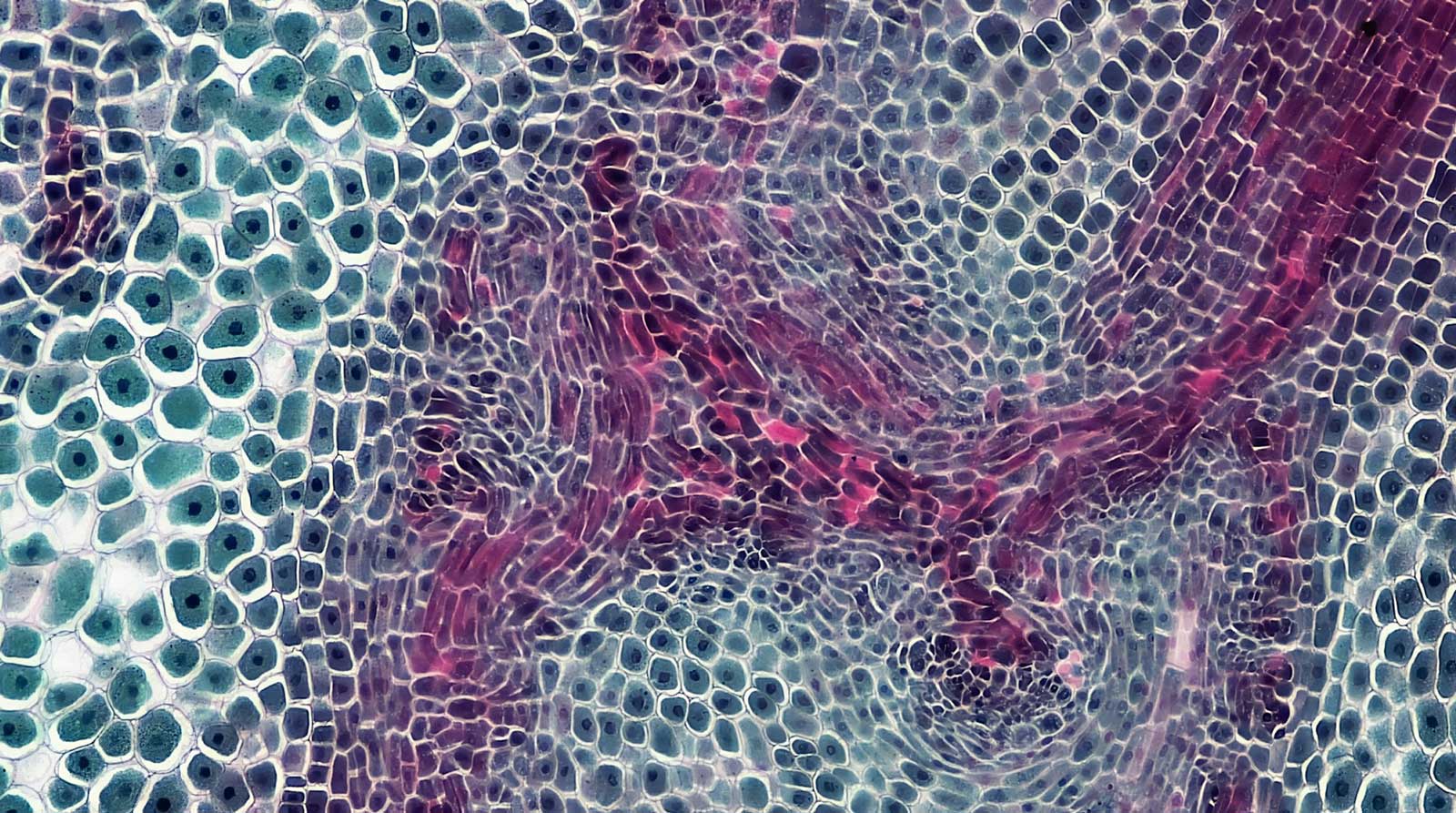
Living tissues are hard to reproduce outside the body: they are fragile, scarce, and structurally complex, yet realistic in-vitro models are essential to study disease and test therapies. We apply manufacturing-science principles — process optimization, printability control and high-resolution fabrication — to make bioprinting reproducible and reliable.
The same approach adapts to very different tissues and questions: for example, vascularized cortical organoids for neuronal-disease research (with Humanitas Cariplo-funded project), 3D-bioprinted ovarian cancer models to study tumour behaviour and therapy (with CNR-IBPM), or high-resolution foveal scaffolds replicating retinal biomechanics. Whatever the target tissue, the common thread is the same: controlling the printing process and its biomaterials to turn bioprinting into a dependable tool for biomedical research.