Machine-learning models for additive manufacturing need large amounts of high-quality, labelled data — expensive to produce and often proprietary, locked inside individual companies. Two complementary paradigms help. Transfer learning reuses knowledge from a data-rich product, material or machine to a new one where data is scarce, cutting experiments and cost. But reuse is not always safe: when domains differ too much it can degrade accuracy (negative transfer), so we develop metrics that predict, before committing, whether a transfer will help or harm.
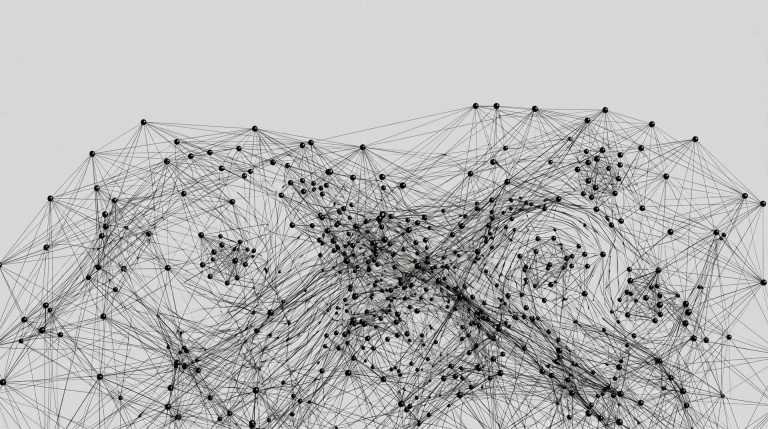
Federated learning takes a different route: several manufacturers jointly train a shared model while their raw data never leaves their premises, turning isolated, private datasets into collective performance and protecting confidentiality. Here too the key question is value: we quantify the incentive to participate — when joining a federation improves a company’s models, and when a firm with enough data of its own gains little. Across both, the goal is the same: extract more reliable knowledge from limited, distributed manufacturing data, and make the decision to reuse or collaborate an informed one.